In our two-part blog series The Most Important Secret to a Great Safari, we explained why a dedicated, experienced safari guide can make or break your time in Africa. A great guide doesn't just spot animals. They interpret the landscape, read behaviour, manage risk, and turn quiet moments into meaningful ones.
But there's a second secret. One that's just as important.
It's you.
Your expectations.
Your patience (or lack of it).
Your ability to adapt, slow down, and engage with what's actually happening, rather than what you imagined would happen.
After more than 20 years of designing and travelling on African safaris, there's a consistent pattern: the guests who enjoy safari most are not the ones who "get lucky." They're the ones who arrive with the right mindset.
And this insight doesn't come only from planning trips on paper. We regularly travel on safari ourselves, whether we're scouting new reserves, revisiting lodges, or experiencing itineraries exactly as our guests do. When we travel, we pay close attention to the guest experience: pacing, comfort, expectations, and how moments unfold in the field.
Below are the things our Africa Safari Specialists most wish guests understood before they arrive.

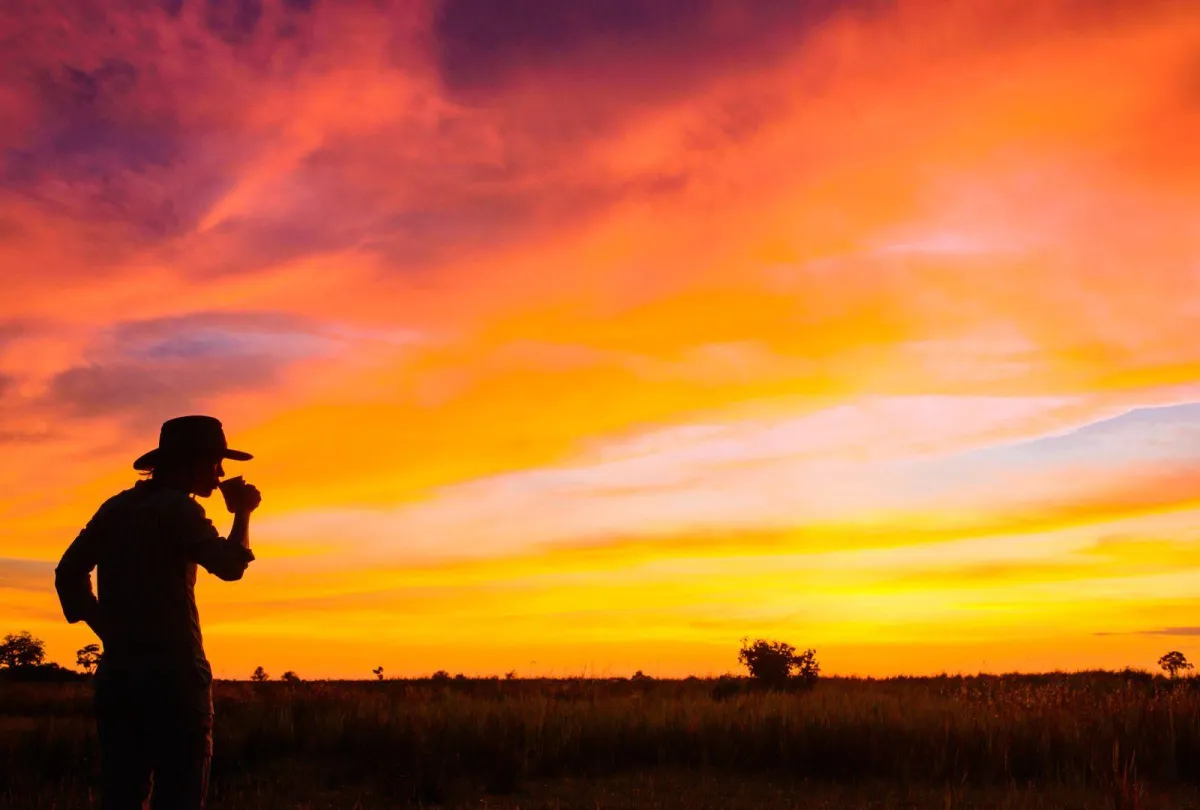
Morning on safari begins before the clock does.
(Image: Kwando Lebala)
If you're expecting safari to operate like Switzerland, you're setting yourself up for frustration.
Africa moves at its own pace. That doesn't mean nothing happens. It means people matter more than the clock. The morning game drive will depart. It might just leave at 05:42 instead of 05:30 because:
Someone is finishing their tea
A seat shuffle is happening
The guide realised the hot water for bush coffee was forgotten
None of this is incompetence. It's cultural rhythm.
Guests who rush, push, or clock-watch tend to feel irritated. Guests who breathe, relax, and accept the flow tend to notice more. And enjoy more.
Safari is not a race. You're not late for anything.

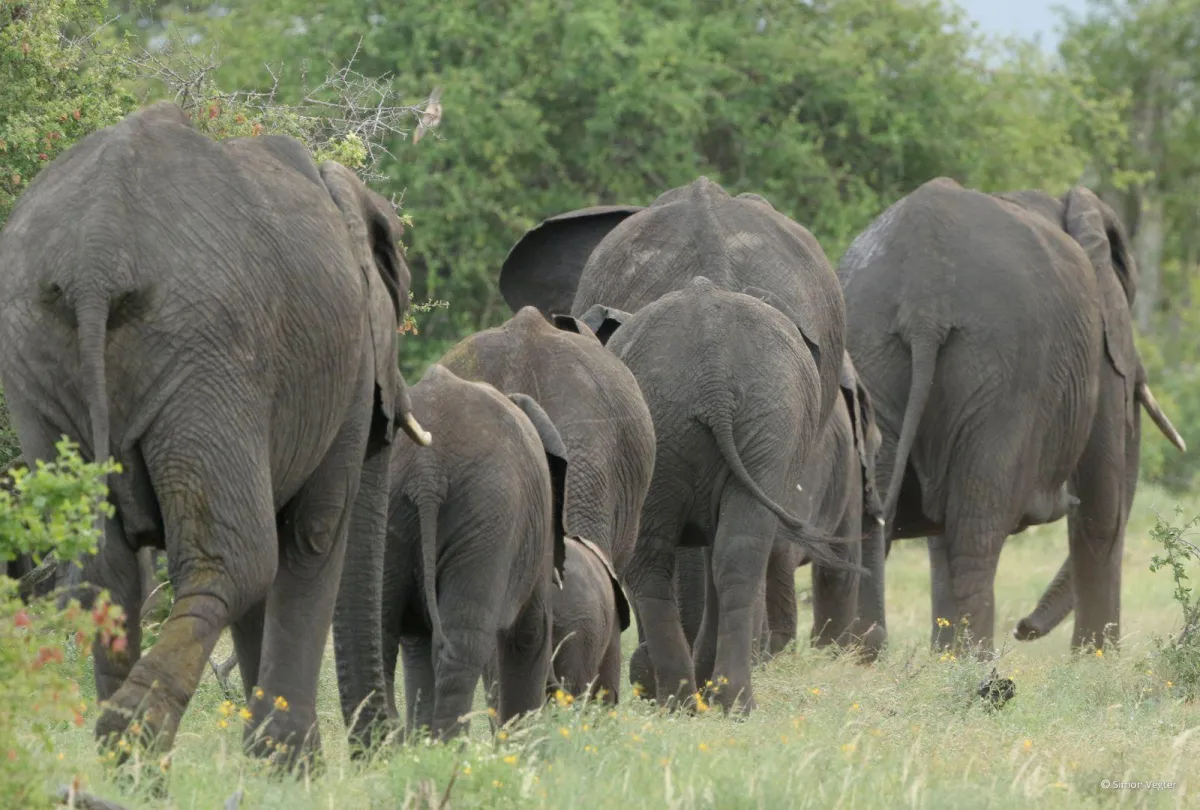
Not every sighting performs — and that's exactly the point.
(Image: Simon Vegter)
This is a hard truth: game viewing is unpredictable.
Documentaries have done a spectacular job of convincing people that:
Every game drive includes a hunt or predator action
Lions are always active
Leopards pose on branches on cue
That's not safari. That's editing.
Witnessing a hunt is like winning the lottery. It does happen, but it's rare. A giraffe chewing, a warthog family foraging on their knees, a heron standing perfectly still in shallow water? That is safari.
Guests who put all their hopes into one dramatic moment often miss dozens of smaller ones unfolding quietly around them.
Your attitude towards the "ordinary" determines whether the extraordinary ever lands.
Africa is big. Really big.
What looks like a short hop on a map can mean:
Long drives on slow roads, many of them gravel by design, to protect sensitive environments and reduce traffic speed in wildlife areas.
Border crossings that are functional but not fast. To first-time visitors, African border crossings can appear disorganised or even chaotic. In reality, they operate on human interaction—conversation, negotiation, and local rhythm. What looks inefficient to an untrained eye is often simply a different cultural approach to communication and process.
Landscapes that demand patience, not shortcuts, where wildlife sightings, road conditions, and travel times are shaped by nature and terrain, not by efficiency or speed.
We regularly explain why you can't "just add one more place." Not because it's impossible, but because it will turn your safari into an endurance event, sacrificing quality for quantity.
The guests who enjoy themselves most understand that pace matters more than coverage.
You cannot see everything in one trip. And trying to is the fastest way to enjoy very little.

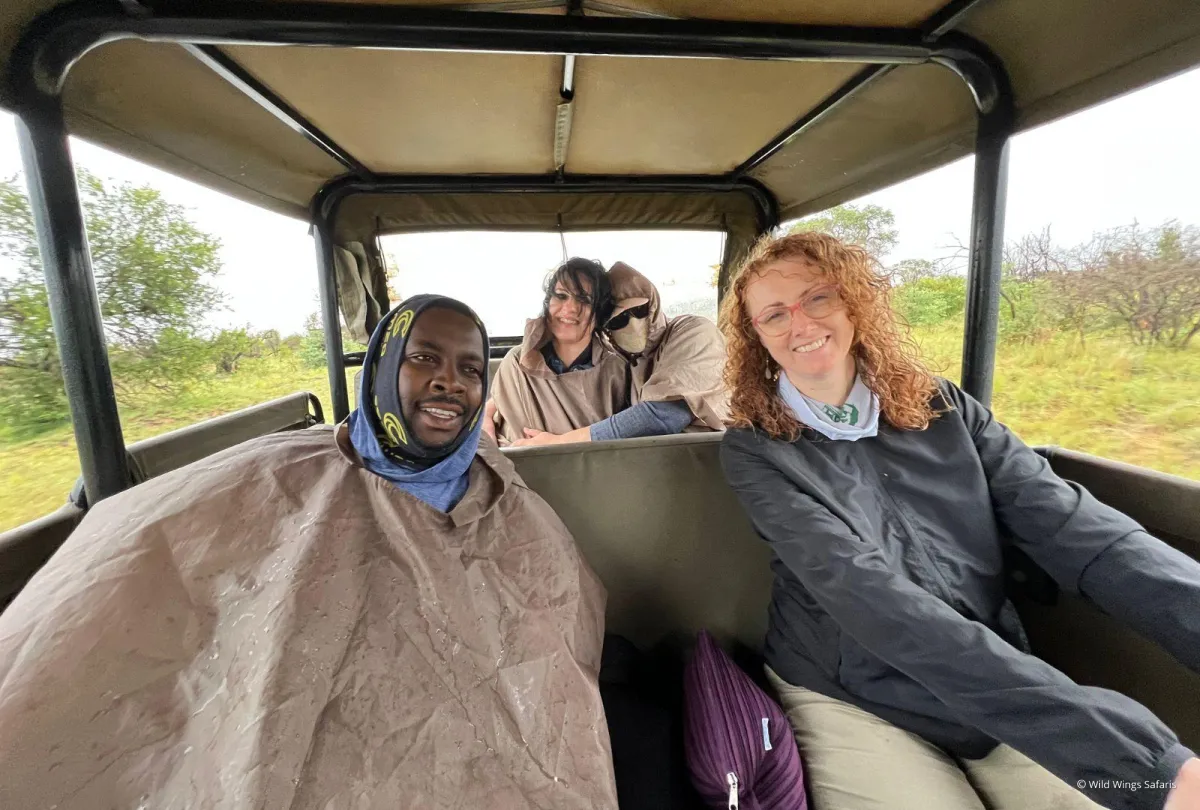
Comfort matters — but being out there matters more.
(Image: Onne Vegter)
Not all safari accommodation is created equal, and not all of it is meant to be.
Some experiences prioritise location over polish. Others prioritise wildlife access over uniform room layouts. On certain safaris, especially in high-demand public reserves, accommodation allocation depends on availability at the time of booking.
This means:
Rooms within the same group may differ slightly
Late additions may not match earlier allocations
"Basic" does not mean dirty or unsafe; it means practical and affordable
Guests who understand this ahead of time tend to be relaxed. Guests who expect identical accommodation in the bush often aren't.
Safari rewards realism.
This approach reflects a broader safari principle. Different travellers value different things, and safari accommodation exists across a wide spectrum, from practical, well-located options that prioritise time in the bush, to ultra-luxury lodges offering exceptional comfort and amenities. The key is understanding the trade-off being made.
Weather changes. Animals move. Roads flood. Flights shift. Borders take longer than expected.
This isn't poor planning. It's the reality of operating in wild places.
If you need everything to run exactly as planned, an African safari may feel stressful. If you're willing to adapt, you'll discover that flexibility is one of the most valuable safari skills you can bring with you.
The bush does not bend to schedules. That's part of why people come.
A surprising amount of safari frustration is preventable.
Guests who:
Read their travel documents
Check passport validity and visa requirements
Pack appropriately (including binoculars)
Download documents before travelling — WiFi isn't available everywhere, and having key information accessible offline avoids unnecessary stress when connectivity is limited.
…arrive calmer and enjoy more.
Preparation doesn't make safari rigid. It removes unnecessary stress so you can focus on the experience itself.

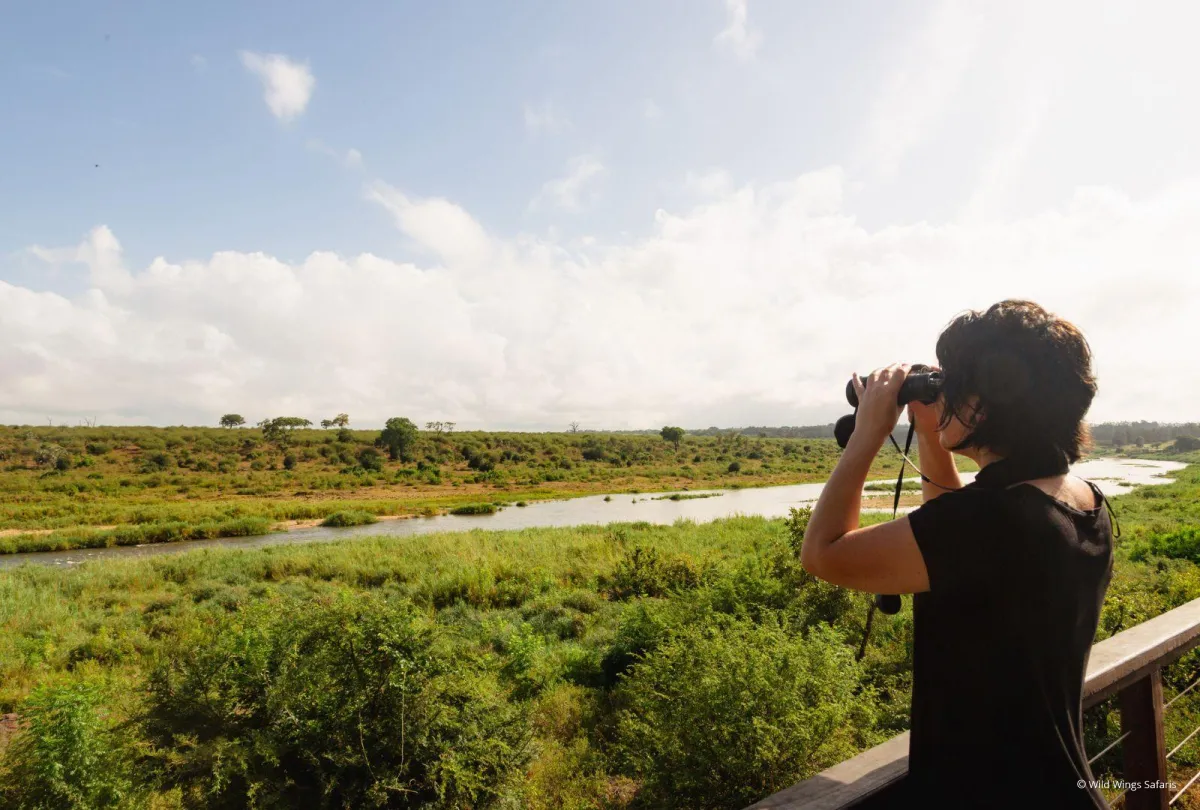
Some moments are meant to be observed, not recorded.
(Image: Wild Wings Safaris)
Safari is not improved by constant WiFi, and it's not enhanced by watching it through a screen.
Sometimes the signal drops. Sometimes there's no WiFi at all. Sometimes the best moment of the day happens while your phone is in your bag.
Ask your guide questions. Or ask for silence. Listen. Watch. Pay attention.
You don't need to document everything to remember it. Often, the moments you notice most are the ones you weren't trying to record.
A great safari isn't flawless.
It's flexible.
It's curious.
It's patient.
And it's shaped as much by the guest as by the guide.
If you arrive expecting Africa to adapt to you, you may struggle.
If you arrive ready to meet Africa on its own terms, you'll almost certainly leave wanting to return.
(And if you want to understand the first secret, the role of an exceptional safari guide, start here.)
If this way of travelling resonates with you, speak to one of our Africa Safari Specialists. We'll help you design a safari that suits your pace, expectations, and travel style — and make sure you arrive ready to enjoy it fully.
文章评分